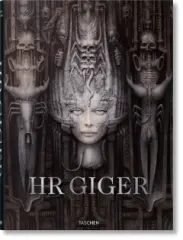
HR Giger. 45th Edition Series
Autor: HR Giger, Hans Werner Holzwarth, Andreas J. Hirsch•Anglicky•2021•Taschen• 100%
100%
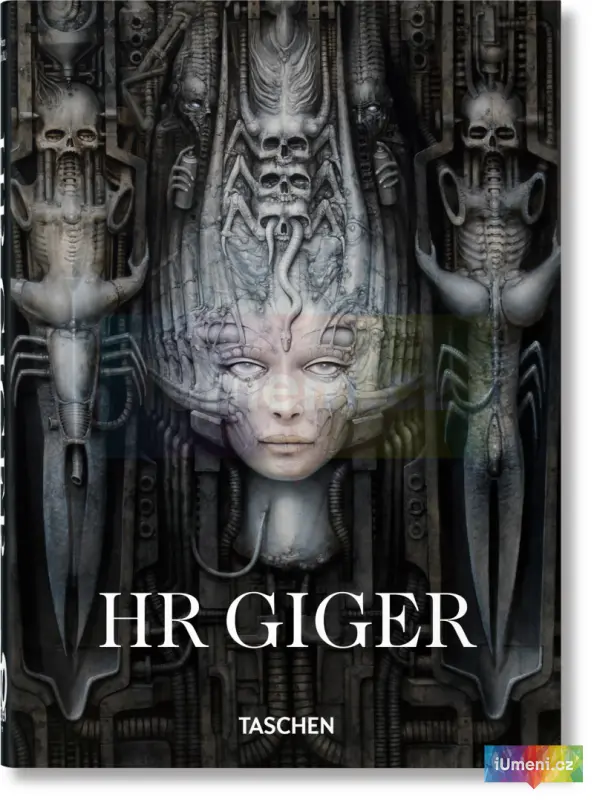
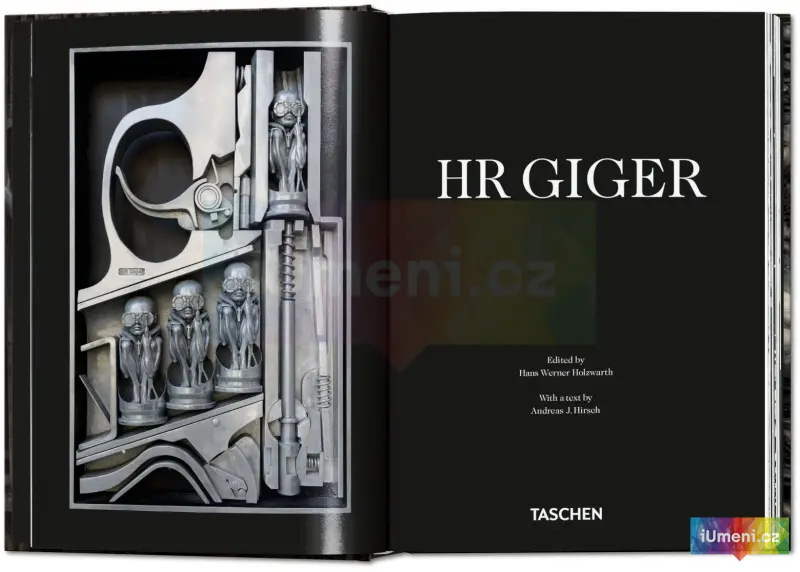
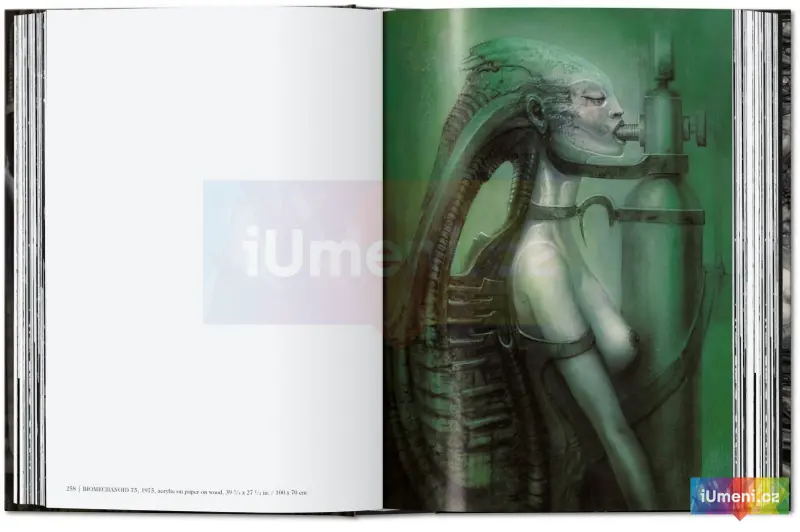
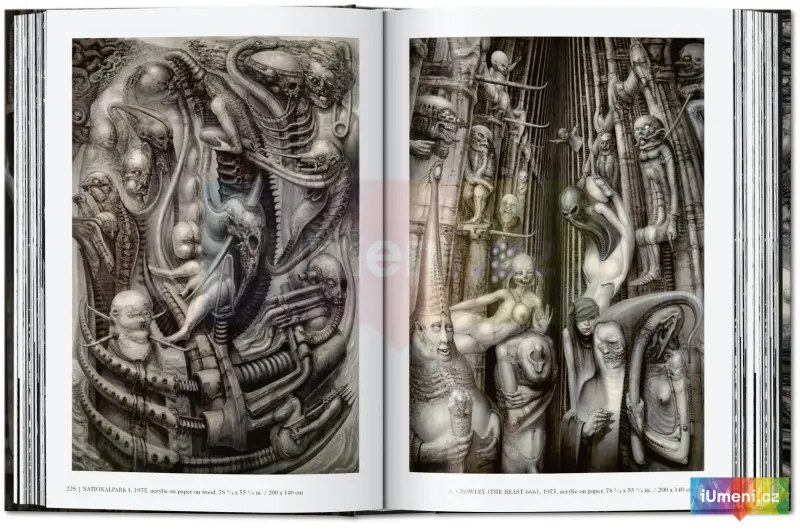
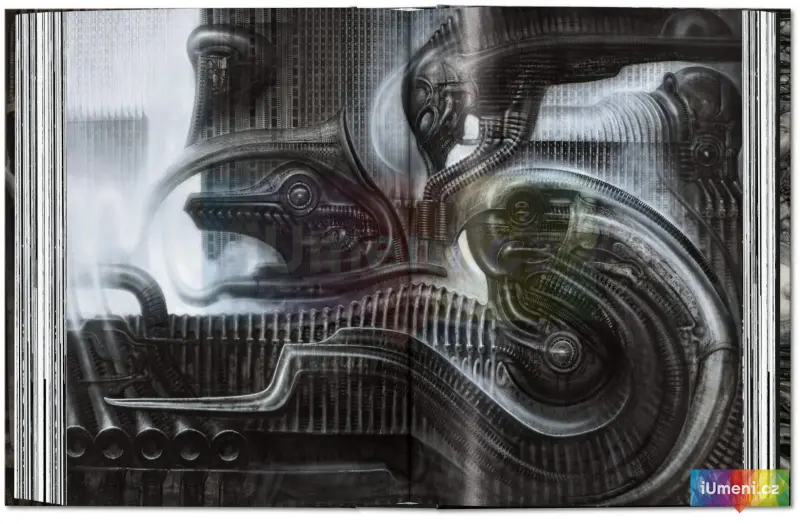
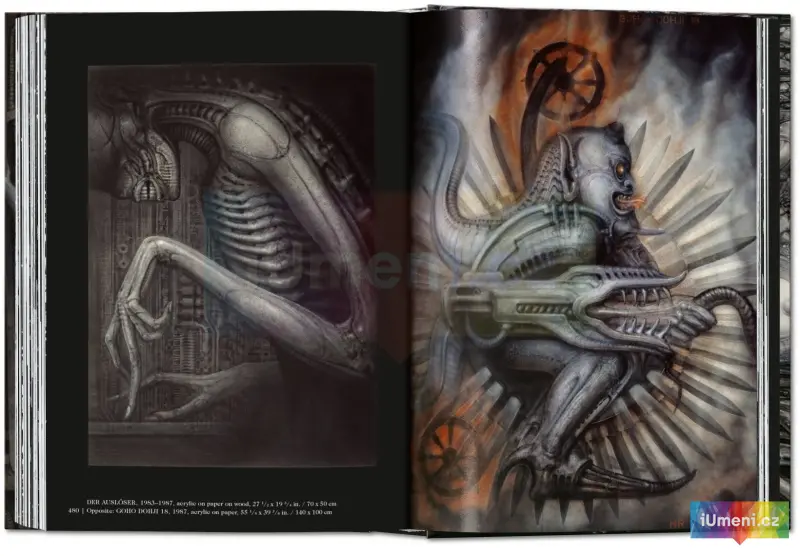
Vstupte do světa strašidelné síly a temné psychedelie s touto poctou biomechanickým vizím HR Gigera . Jubilejní edice zahrnuje umělcovu malbu, sochu, filmový design, ikonické obaly alb a unikátní umělecké muzeum, esej Andrease J. Hirsche a rozsáhlou biografii založenou na současných citacích a Gigerových vlastních prohlášeních .
Dárek k tomuto zboží ZDARMA (výběr v košíku)
Název: HR Giger. 45th Edition Series • ISBN: 978-3-8365-8702-0 • Jazyk: anglicky • Rok: 2021 • EAN: 9783836587020 • Hmotnost: 1.40 kg • Vazba: vázaná • Počet stran: 512 • Rozměr: 156x217 mm • Nakladatel: Taschen
informace ke knize
Detail knihy ~ HR Giger. 45th Edition Series, HR Giger, Hans Werner Holzwarth, Andreas J. Hirsch
From an Olympic ski jump to the world’s largest airport terminal, this book contains the complete works of Dame Zaha Hadid, one of the great architects of the 21st century and the first woman to win the Pritzker Prize. With photos, descriptions and drawings, readers can explore the life and philosophy of Enter a world of haunting power and dark psychedelia with this tribute to the biomechanic visions of HR Giger. The anniversary edition spans the artist’s painting, sculpture, film design, iconic album covers, and unique artist’s museum, with an essay by Andreas J. Hirsch, and an extensive biography based on contemporary quotes and Giger’s own statements.The powerful world of HR Giger “At its essence, Giger’s art digs down into our psyches and touches our very deepest primal instincts and fears. His art stands in a category of its own. The proof of this lies in the intensity of his work and imagination, which I can only compare to Hieronymus Bosch and Francis Bacon in their powers to provoke and disturb.” —Ridley Scott
Swiss artist HR Giger (1940–2014) is most famous for his creation of the space monster in Ridley Scott’s 1979 horror sci-fi film Alien, which earned him an Oscar. Yet this was just one of the most popular expressions of Giger’s biomechanical arsenal of creatures, which consistently merged hybrids of human and machine into images of haunting power and dark psychedelia. The visions drew on demons of the past, as well as evoking mythologies for the future. Above all, they gave expression to the collective fears and fantasies of his age: fear of the atom, of pollution and wasted resources, and of a future in which our bodies depend on machines for survival.
HR Giger. 45th Edition Series
Recenze knihy ~ HR Giger. 45th Edition Series, HR Giger, Hans Werner Holzwarth, Andreas J. Hirsch
100%
„Doporučuji.“
Ověřený zákazník • 12.7.2026 • Heureka